Premium Fish Trimming Knives: Our 2026 Consumer Guide
Selecting the ideal filleting knife is vital for any angler aiming to enhance their fish preparation skills. The choice relies on several factors, including blade material, handle comfort, and overall flexibility. Each element plays a significant role in attaining precision during filleting. As anglers review various options, understanding the balance between budget and premium choices becomes important. What features should one focus on to guarantee an perfect fishing experience? The answer lies ahead.
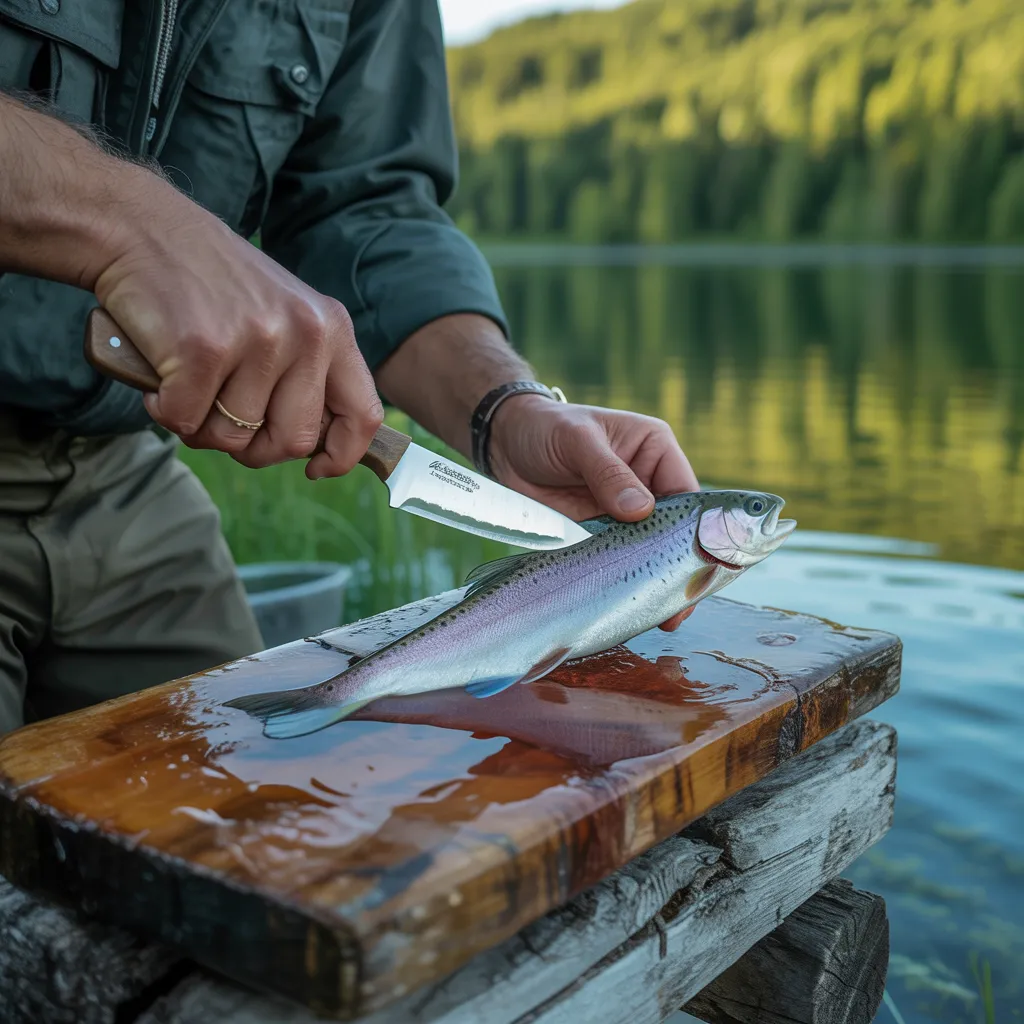
The Critical Importance of a Superior Filleting Knife
A high-quality fish knife can significantly improve the experience of cooking fish. The sharpness and precision of a finely constructed knife allow for clean, effortless cuts, decreasing the chance of compromising the delicate flesh. This productivity not only reduces time but also results in a more aesthetically pleasing appearance, whether for a simple meal or an elaborate dish.
Furthermore, a excellent filleting knife provides better control, enabling the user to navigate around bones and skin with ease. This control is important for both beginner chefs and seasoned chefs, ensuring that each fillet is cut perfectly. Additionally, the right filleting knife can decrease the physical strain on the user, turning the process more enjoyable.
Investing in a high-quality fillet knife ultimately elevates the whole fish filleting experience, turning what could be a tedious task into a satisfying culinary endeavor.
Essential Characteristics for Selecting the Right Filleting Knife
When selecting a fillet knife, several essential features matter. The material of the blade, the ergonomics of the handle, and the flexibility and length choices significantly affect performance and user experience. Understanding these factors can help people choose wisely customized for their particular requirements.
Blade Material Is Critical
Selecting the ideal fish filleting knife relies heavily on the blade material, which plays an essential role in functionality and longevity. Common materials include stainless steel, high-carbon steel, and ceramic. Stainless steel is favored for its corrosion resistance and ease of maintenance, making it ideal for regular application in wet environments. High-carbon steel, while requiring more care to prevent rust, offers superior sharpness and edge retention, appealing to those who value accuracy. Ceramic blades provide outstanding edge quality and are lightweight, but they can be brittle and more challenging to sharpen. Ultimately, comprehending the characteristics of these materials helps consumers select a filleting knife that meets their specific needs, ensuring an smooth and satisfying fish preparation experience.
Controlling your tool demands utmost ease
Many factors affect the selection of a fish filleting knife, but handle comfort remains an key aspect. A thoughtfully constructed handle may significantly impact the filleting process, providing better control and precision. Ergonomic designs that conform to the hand's shape reduce strain during extended use, making delicate cuts easier to perform. Materials including rubber, wood, or textured plastics offer different levels of grip and comfort. A secure grip prevents slipping, thereby improving safety when working with sharp blades. Moreover, the size of the handle matters, as it needs to fit various hand sizes to ensure optimal performance. In the end, a comfortable handle can turn filleting from a tedious task into a more enjoyable and efficient activity.
Flexibility and Length Options
A user-friendly handle establishes the basis for precise filleting, but options for flexibility and length are important in finding the best knife. The pliability of a filleting knife enables it to navigate around bones and fish contours, enhancing precision. A more flexible blade is best for tender fish, while a stiffer blade is suitable for larger species. Another key factor is length; short blades allow for precise handling for fine cuts, and longer blades facilitate swift, long cuts. Typically, filleting knives are between 6 and 9 inches long, accommodating multiple fish sizes and filleting techniques. Ultimately, the ideal mix of flexibility and length improves the filleting experience, ensuring both effectiveness and quality in the final product.
Premium Steel Materials for Resilience and Performance
The superior fish filleting knives often feature blades built from specific materials that boost both longevity and efficiency. High-carbon stainless steel proves a common selection, celebrated for its equilibrium of hardness and corrosion resistance. This material sustains a sharp edge while withstanding the rigors of frequent utilization in both fresh and saltwater environments.
Another noteworthy option is ceramic, which provides exceptional sharpness and maintains its edge longer than steel. However, ceramic blades can be more brittle, making them less appropriate for heavy-duty tasks.
Titanium-coated stainless steel is also gaining traction, providing enhanced protection against wear and corrosion while maintaining the lightweight qualities of traditional stainless steel.
Ultimately, the decision regarding blade material greatly impacts the knife's longevity and effectiveness, making it crucial for anglers to pick the right type tailored to their specific filleting needs.
Selecting Comfortable Handles for Filleting Blades
Why is the grip of a fillet knife important to the overall feel for anglers? The grip serves as essential in fostering comfort and command during the filleting process. A expertly crafted handle enables a secure grip, limiting the risk of loss of grip, notably when the knife is drenched. Materials such as elastomeric rubber, wooden materials, or synthetic blends can enhance comfort, with ergonomic shapes that match the natural configuration of the hand.
Anglers should examine the heaviness and proportion of the knife; a featherweight handle can alleviate fatigue during prolonged use. Textured surfaces can also supply improved grip, while the handle's length should accommodate various hand sizes. Ultimately, a pleasant handle strengthens accuracy and makes the task more rewarding, allowing anglers to focus on the quality of their filleting rather than contending with an unsuitable knife. Allocating time to choosing the right handle can substantially boost the overall filleting outcome.
Top 2026 Picks: Best Fish Boning Knives for Every Angler
When picking the perfect filleting knife, anglers can reap rewards from a variety of premium options available in 2026, each suited to different preferences and needs. Among the standout choices, the Rapala Classic Fillet Knife offers a flexible blade that excels in precision, making it a favorite for both rookies and seasoned fishers. For those pursuing durability, the Bubba Blade series features a stainless steel construction and non-slip grip, assuring safety and efficiency during use.
Additionally, the Dexter-Russell Narrow Fillet Knife is celebrated for its outstanding precision and handling, suited for complex filleting tasks. Anglers seeking versatility may opt for the Morakniv Fishing Knife, which combines a durable design with a comfortable handle. In summary, these selections exemplify the best in 2026, offering anglers with sturdy tools developed to improve their filleting experience.
Looking after Your Filleting Knife for Extended lifespan
A filleting knife requires consistent maintenance that is vital for maintaining its usefulness and life expectancy. Frequent blade sharpening helps to keep the sharpness intact, and suitable storage methods shield it from damage. When used together, these approaches will substantially enhance the tool's capabilities as time goes on.
Conventional Honing Practices
Regularly honing a filleting knife is essential for ensuring peak performance and durability. A dull blade not only makes filleting more difficult but also increases the risk of injuries. For optimal outcomes, a combination of sharpening and honing methods is recommended. Honing, typically done with a honing rod, realigns the blade's edge and should be performed after each use. Blade sharpening, on the other hand, can be completed using whetstones or electric sharpeners and should be done regularly, depending on usage frequency. It is important to maintain the correct angle while sharpening, usually around 15 to 20 degrees for filleting knives. Regular sharpening
Effective Storing Approaches
Proper storage of a filleting knife plays a significant role in its longevity and performance. Storing the knife in a designated knife block or magnetic strip not only safeguards the blade from wear but also prevents accidental cuts. A protective sheath can be employed for extra safety, notably when placing knives in drawers. It is important to keep the knife dry and clean before storage to stop rust and corrosion. For those who frequently use their filleting knife, a dedicated drawer with dividers can help maintain order while allowing quick access. Regularly monitoring the storage conditions for humidity can increase the knife’s lifespan, helping maintain its efficiency over time.
Economical and Top-Tier Filleting Knives
When examining fish filleting knives, the choice between budget and premium options substantially impacts both output and user experience. Budget filleting knives often present simpler materials, resulting in less sharpness and durability. They may be suitable for occasional users or those new to filleting, as they deliver basic functionality at an accessible price. However, the user may face limitations in precision and comfort.
In essence, premium filleting knives are crafted from higher-quality materials, yielding superior edge stability and sharper edges. These knives are designed for both culinary experts and see more serious enthusiasts, facilitating for cleaner cuts and faster filleting results. The contoured handles often enhance control and alleviate fatigue during prolonged work. While the upfront cost is higher, the lasting benefits, encompassing durability and performance, can justify the price for dedicated users. Ultimately, the choice depends on the individual's requirements, how often it's used, and financial constraints.
Common Questions Asked Often
Is It Possible to Use a Filleting Knife for Different Kinds of Meat?
A boning knife can be used for other types of meat, but its design is tailored to fish. Users may discover it less effective on tougher meats, where heavier-duty blades are typically more suitable.
How Often Should I Sharpen My Filleting Knife?
A filleting knife should be sharpened regularly, preferably after every few uses or whenever it becomes dull. Regular upkeep ensures optimal performance, allowing for precise cuts and an enjoyable filleting experience. Consistency is key.
What Measurement Filleting Knife Is Best for Newcomers?
New users will find that a filleting knife between 7 to 9 inches is ideal. This length provides a mix of suppleness and stability, making it more straightforward to manage fish without daunting the novice user.
Is Spending in Electric Filleting Knives Justified?
Fish knives that are powered can be worth buying for those who want efficiency and ease. Their speed and consistent cuts render the filleting operation easier, making them ideal for both inexperienced and seasoned fishers looking for precision.
Where Can I Find Replacement Blades for My Filleting Knife?
Fishing outlets, online retailers, and brand websites feature replacement blades for filleting knives. To maintain peak performance during use, verify compatibility with the exact knife model.